
How Does Veloriya Token Support The Blockchain Ecosystem?
Blockchain technology is transforming how digital assets, transactions, and decentralised applications operate. As blockchain ecosystems continue to evolve, tokens play an important role in connecting users, services, and network activities. Depending on their design, tokens can support transactions, enable platform functionality, facilitate participation, and provide access to digital services.
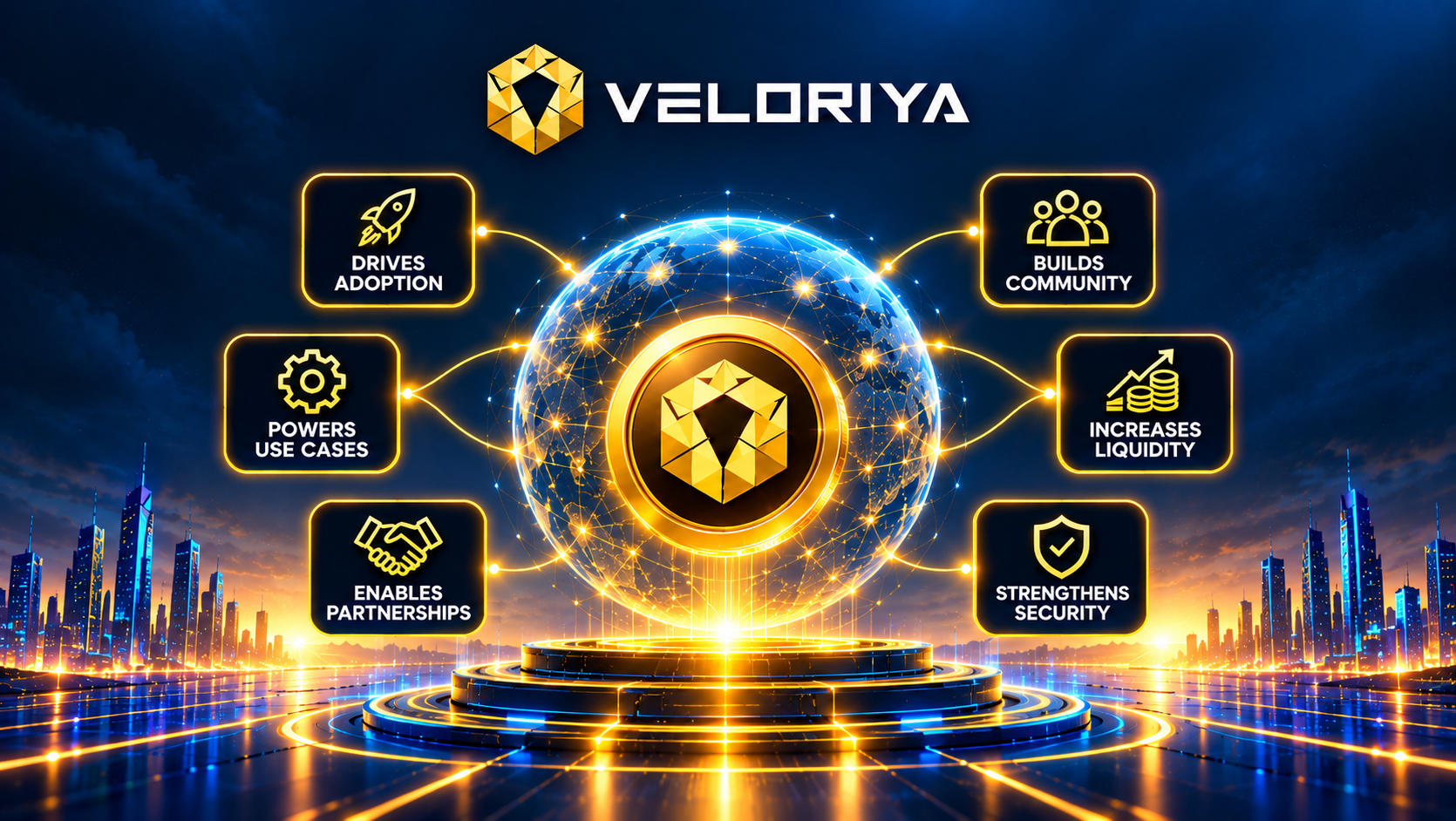
Veloriya Token is presented as the core digital asset of the Veloriya Ecosystem. Its stated purpose includes supporting network functionality, ecosystem activities, platform operations, and interactions between different services. Understanding how a token can contribute to a blockchain ecosystem helps users evaluate its potential utility and the role it may play in a broader digital environment.
Also Read: How Can Utility Tokens Support Blockchain Ecosystem Growth?
1. What Is the Role of a Token in a Blockchain Ecosystem?
A blockchain token is a digital asset that operates within a blockchain-based environment. Depending on its design, a token may support payments, provide access to platform features, enable participation in applications, or facilitate interactions between ecosystem components.
Tokens can help establish a common mechanism for coordinating different activities within a digital network. For example, a platform may use a utility token to access specific services or perform eligible transactions.
Veloriya Token is intended to serve as the primary digital asset within its ecosystem. Its proposed role connects platform operations, digital transactions, and blockchain-based utilities. The actual functionality depends on the token’s implementation, supported applications, and published ecosystem rules.
2. Supporting Digital Transactions and Platform Activities
Digital transactions are an important part of blockchain ecosystems. Depending on the underlying network and its integration, tokens may facilitate the transfer of digital value between supported accounts, applications, or services.
A well-designed token system can provide a consistent method for interacting with different platform functions. It may also help users engage with compatible services without requiring a separate digital asset for every activity.
Veloriya Token is described as supporting digital transactions and platform operations within its ecosystem. These functions could help connect different activities through a shared digital asset. However, the available transaction methods, supported networks, fees, and practical use cases should be confirmed through official technical documentation.
3. Enabling Utility Across Digital Services
Utility is one of the key factors that distinguishes a functional token from a digital asset with limited practical applications. A utility token may provide access to platform services, support application interactions, or perform specific functions defined by its ecosystem.
For example, a blockchain platform may use a token for service access, eligible transactions, application features, or participation in particular network activities. The usefulness of these functions depends on whether they are available, clearly documented, and relevant to users.
Veloriya Token is positioned as a multi-purpose digital asset intended to support ecosystem activities and blockchain utilities. Its long-term usefulness will depend on the development of practical applications, the availability of supported services, and the extent to which users can access meaningful token functionality.
4. Connecting Decentralised Applications
Decentralised applications, commonly called dApps, use blockchain networks or related technologies to provide digital services. Depending on their architecture, they may support activities such as digital asset management, decentralised exchanges, governance, or other blockchain-based interactions.
Tokens can help coordinate activities across compatible applications. They may serve as payment mechanisms, provide access to features, or support specific application functions.
Veloriya’s stated ecosystem vision includes decentralised applications and connected digital services. If Veloriya Token is integrated into compatible applications, it could help facilitate interactions between users and supported platform features. The extent of this connectivity depends on actual integrations, application availability, and technical compatibility rather than the token’s existence alone.
5. Promoting Transparency and Verifiable Transactions
Transparency is a major characteristic of many public blockchain networks. Depending on the blockchain architecture, transactions can be recorded in a ledger and independently verified using network tools.
Verifiable records can help users examine transaction histories, confirm transfers, and understand certain types of network activity. However, transparency does not automatically guarantee complete security, privacy, or the absence of fraudulent activity.
Veloriya’s stated approach emphasises transaction verification and permanent recordkeeping through blockchain infrastructure. To evaluate these capabilities, users should examine the underlying network, its transaction explorer, verification mechanisms, and any relevant security documentation.
Understanding these technical details provides a clearer picture of how the ecosystem records activity and maintains the integrity of its digital operations.
6. Encouraging Community Participation and Ecosystem Growth
Community participation can contribute to the development of blockchain ecosystems. Users, developers, application providers, and other participants may help identify useful applications, improve services, and expand the network’s capabilities.
Some blockchain projects also introduce staking, rewards, or participation incentives. These mechanisms differ between projects and may involve specific eligibility requirements, lock-up periods, technical conditions, or financial risks.
Veloriya’s published overview refers to staking opportunities, network incentives, and ecosystem benefits. Users should verify whether these features are currently available, how they operate, and what conditions apply before participating. The existence of an incentive mechanism does not guarantee rewards, profitability, or sustainable ecosystem growth.
7. Why Scalability and Efficiency Matter
As blockchain ecosystems expand, they may face challenges involving transaction throughput, network congestion, operating costs, and application compatibility. Scalable infrastructure aims to accommodate growing activity without significantly compromising usability or reliability.
Tokens can contribute to ecosystem functionality, but scalability primarily depends on the underlying network design, consensus mechanisms, infrastructure, and implementation.
Veloriya emphasises performance, scalability, and operational efficiency as part of its broader ecosystem vision. Evaluating these claims requires measurable information, such as network performance, transaction costs, supported applications, and independently verifiable technical results.
Conclusion
Veloriya Token is positioned as a central digital asset intended to support transactions, platform utilities, decentralised applications, and community participation within its ecosystem. These functions illustrate how a utility token can connect different components of a blockchain-based environment.
However, a token’s practical value depends on more than its stated purpose. Real-world utility, technical implementation, transparent documentation, application adoption, and verified network functionality are important factors when evaluating its contribution to a blockchain ecosystem.
Users interested in Veloriya should consult official documentation and independently verify its available features, token utility, security information, and participation conditions. This approach provides a more informed understanding of the ecosystem and its potential role in the wider blockchain landscape.
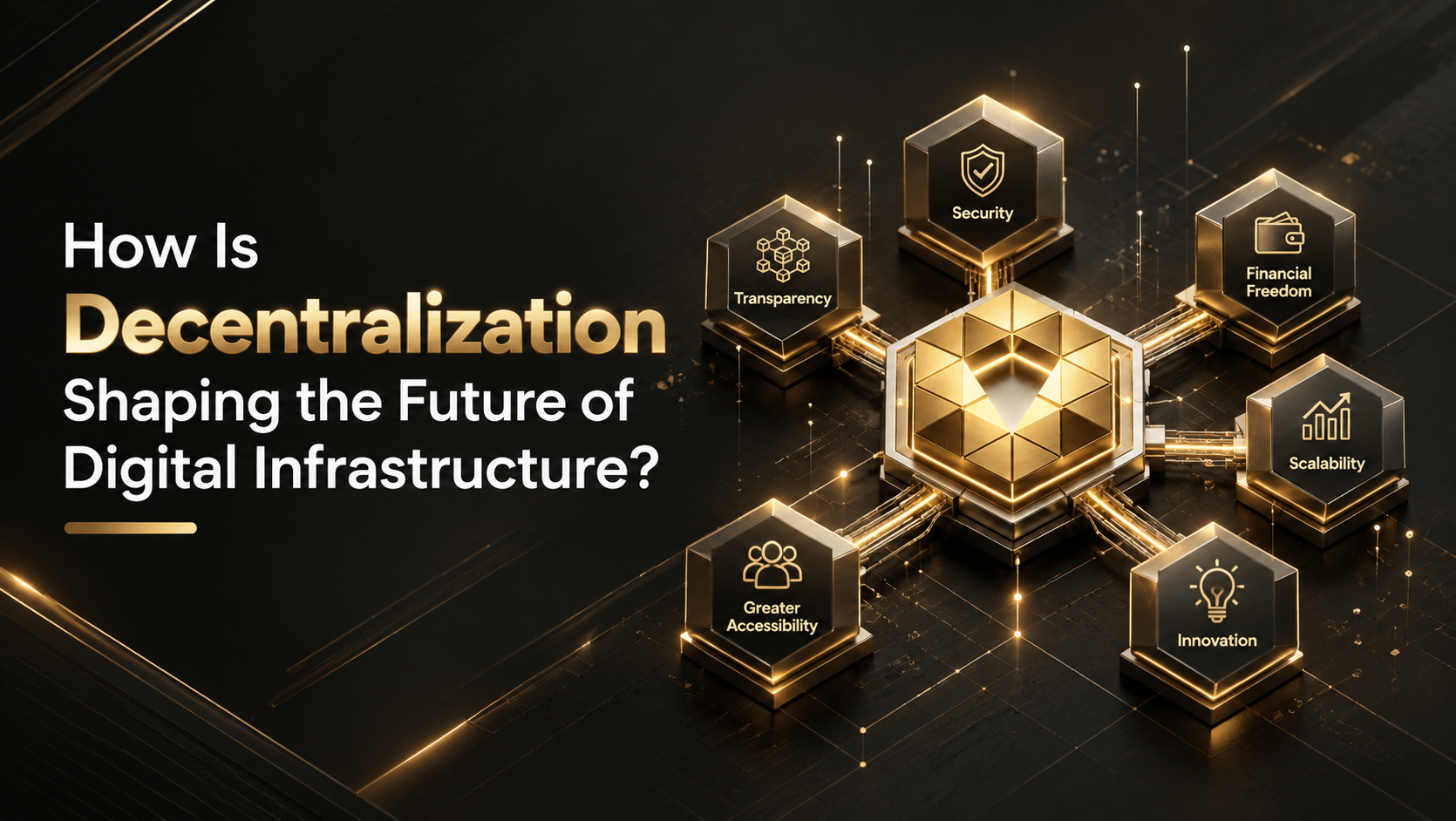
Also Read: How Is Decentralization Shaping The Future Of Digital Infrastructure?
Table of Contents
Leave a Reply